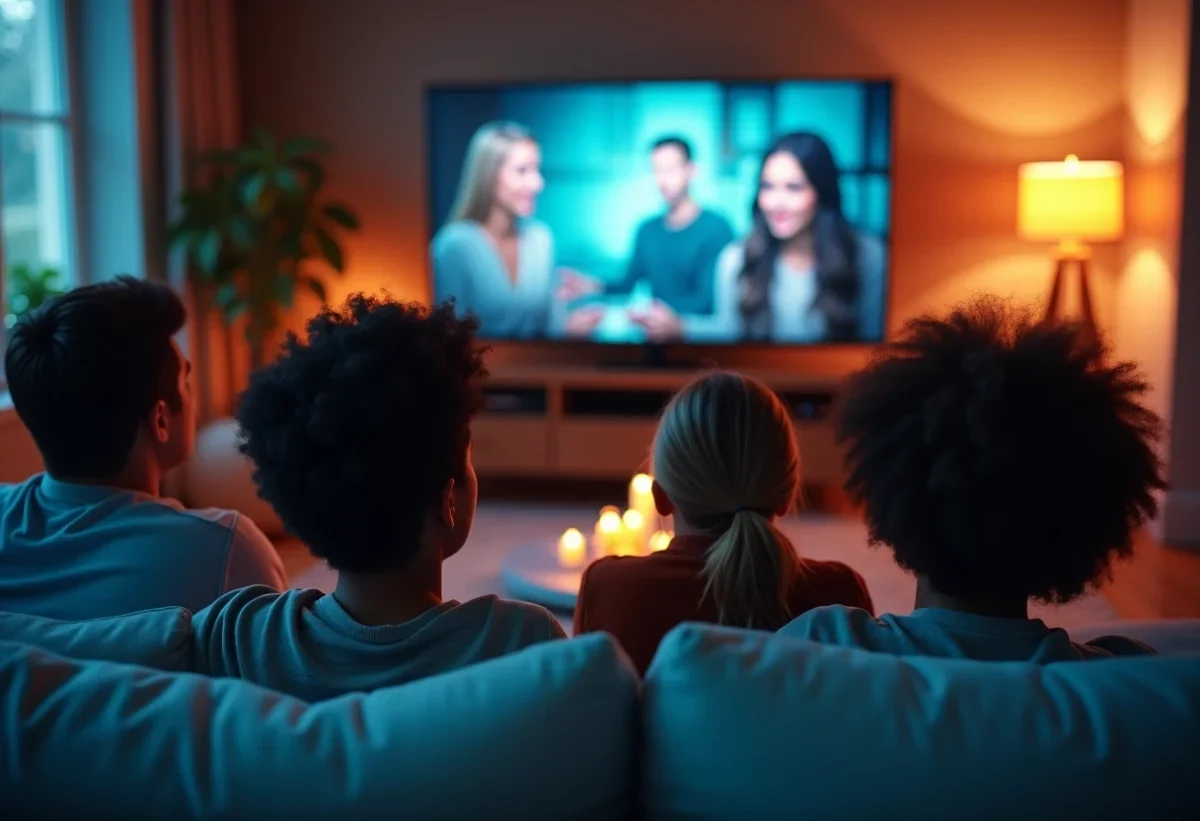
Streaming platforms are redefining the way we consume television series. Giants like Netflix, Amazon Prime, and Disney+ are competing with ingenuity to capture subscribers’ attention, multiplying original productions and exclusives. A true content war is taking place, disrupting viewers’ habits.
These changes are accompanied by new economic and creative strategies. Budgets allocated to series are skyrocketing, allowing for cinematic-quality productions. This escalation also brings unprecedented challenges, such as market saturation and ever-increasing subscriber expectations. Traditional series must now reinvent themselves to avoid disappearing in this frantic race.
New Trends in Streaming Series
The landscape of streaming series is experiencing rapid evolution, driven by trends marked by innovation and diversification. Competition among platforms fosters overflowing creativity, constantly renewing the offerings.
1. The Rise of Local Productions
Streaming platforms are heavily investing in local productions to meet the expectations of national audiences. Netflix, for example, has multiplied original French series, such as ‘Lupin’ or ‘Marianne’, thus confirming the public’s attraction to content rooted in their culture.
- France Télévisions, with its Salto platform, a partner of TF1 and M6, is also betting on this strategy.
- Disney+ is investing in European productions to expand its catalog.
2. The Rise of Mini-Series
Mini-series are establishing themselves as a favored format among viewers. They allow for dense and concise storytelling, often over a single season, catering to the desire for quick binge-watching. This format offers creative flexibility, enabling the exploration of complex stories without unnecessary stretching.
3. The Increasing Integration of Other Media
Series are increasingly adopting elements from the world of video games and pop culture. Series like ‘The Witcher’ on Netflix or ‘The Mandalorian’ on Disney+ demonstrate the impact of multimedia franchises.
| Platform | Series | Origin |
|---|---|---|
| Netflix | The Witcher | Video Game |
| Disney+ | The Mandalorian | Star Wars Universe |
These trends show a desire to attract diverse audiences by playing on content diversity. Platforms, like coflixfr, must adapt and anticipate user expectations to remain competitive in this rapidly expanding market.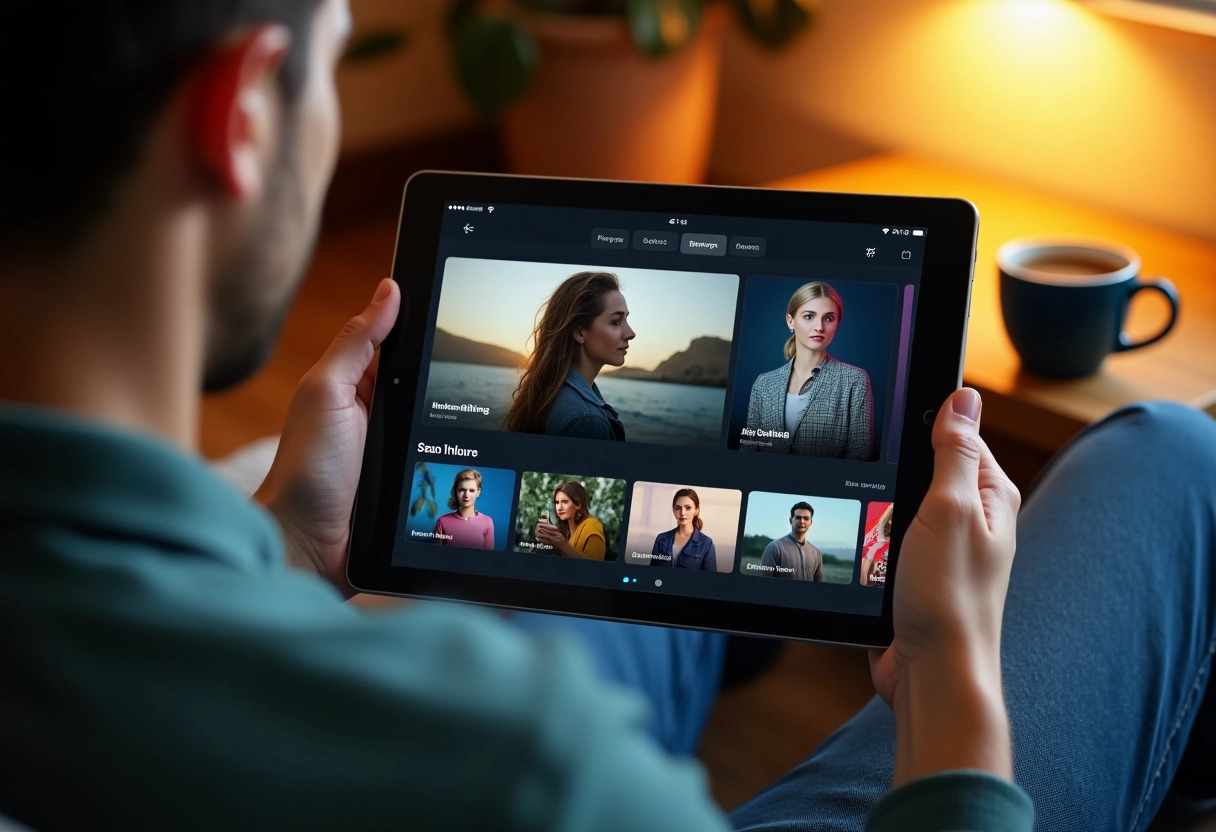
Impacts on Platforms and Users
Recent upheavals in the world of streaming series have a direct effect on platforms and their users. SVOD services, now at the heart of audiovisual consumption, must continually reinvent themselves to retain and attract new subscribers.
Repercussions for Platforms
- Increased Investments: Platforms, such as Netflix and Amazon Prime Video, are investing billions in original content production to differentiate themselves.
- Adaptation to Local Markets: To appeal to local audiences, streaming giants are producing series in various languages and drawing inspiration from local cultures.
These strategies help retain subscribers and expand their customer base. The emergence of new players like Disney+ and Apple TV+ intensifies this competition, pushing each platform to innovate.
Impacts on Users
Consumers benefit from this content war. The diversity and quality of available programs have never been higher. This abundance can also pose challenges:
- Market Saturation: Users may feel overwhelmed by the number of new series to discover. Curation becomes essential to guide choices.
- Multiple Subscriptions: To access all popular series, users often need to subscribe to several services, thus increasing monthly costs.
Rémi Tereszkiewicz, General Director at BetaSeries, emphasizes that platforms must not only produce quality content but also enhance the user experience to remain competitive. Consumption data provided by sources like eMarketers and Statista show a rapid evolution in viewing habits, marked by a growing preference for streaming over linear television.