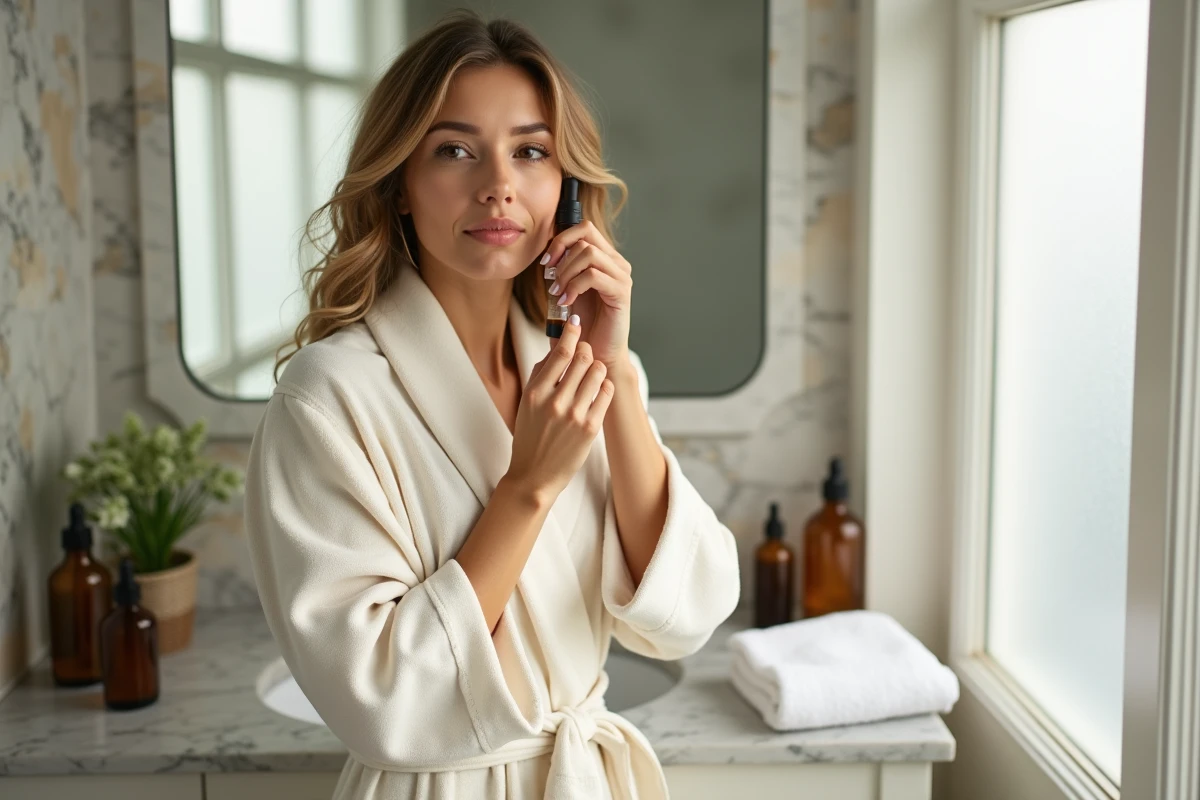
Choosing a skincare treatment, gesture, or beauty product relies less on intuition and more on understanding what the skin goes through over the seasons. The beauty tips that work share a common point: they target a specific need rather than piling on steps. Comparing current approaches, from claimed minimalism to the skinification of makeup, allows us to identify what produces measurable results in terms of radiance, comfort, and longevity.
Skinification of Makeup and Minimalist Routine: Two Logics Face to Face
The boundary between skincare and makeup is blurring. Makeup products now incorporate moisturizing, soothing, or antioxidant active ingredients, transforming every color gesture into a skincare gesture. This trend, visible in recent launches from prestige and dermocosmetic brands, has a name: skinification of makeup.
At the same time, minimalist routines are gaining ground. The principle: reduce the number of steps and prioritize multi-use products. Sensitive skin directly benefits from this approach, as fewer products mean less risk of irritation.
| Criterion | Skinification Routine | Minimalist Routine |
|---|---|---|
| Number of products | Variable (makeup enriched with actives) | Reduced (3 to 4 products max) |
| Main objective | Radiance and care simultaneously | Efficiency in a minimum of gestures |
| Favored skin type | All types, especially dull skin | Sensitive, reactive skin |
| Risk of skin overload | Moderate (cumulative actives possible) | Low |
| Average cost | Higher (premium hybrid formulas) | Controlled (fewer references) |
This table highlights a concrete trade-off. Those seeking immediate radiance with an integrated care dimension will turn to skinification. Those wanting to protect reactive skin on a budget will prefer minimalism. The two approaches do not completely oppose each other, but the choice depends on skin type and budget.
For those who wish to delve deeper into these trends and discover tailored advice, it is possible to explore the Beauty Girl website to refine their routine according to their skin profile.
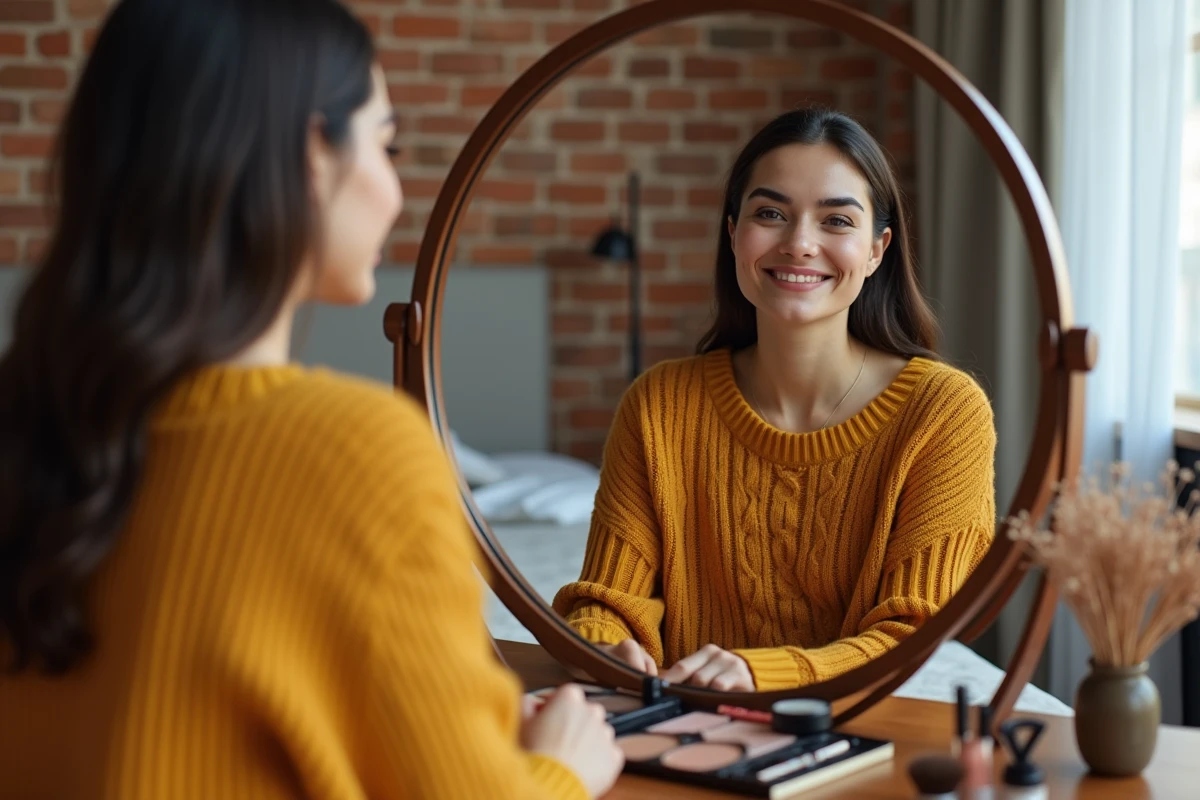
Protecting the Skin Barrier: The Preventive Care That Changes Results
Classic beauty advice focuses on correction (anti-spot, anti-wrinkle, anti-imperfection). The underlying trend that structures current skincare goes in another direction: preserving the skin barrier before seeking to correct.
The skin barrier is the hydrolipidic film that protects the skin from external aggressions. When it is compromised (too aggressive cleansers, frequent exfoliations, unsuitable products), the skin becomes reactive, tight, and red. Gentle formulas, oriented towards repair and tolerance, meet this structural need.
Gestures That Weaken the Skin Barrier
- Using a high pH foaming cleanser morning and night, which dissolves the protective sebum instead of simply removing impurities
- Following a chemical exfoliant (AHA, BHA) with retinol without a resting period between the two actives, leading to cumulative irritation
- Applying a powerful anti-aging or anti-acne treatment on skin already sensitized by cold, wind, or pollution
The preventive reflex is to integrate a repairing treatment into the daily routine, even when the skin seems to be doing well. Repairing before treating reduces the need for corrective products later on. This logic reverses the usual pattern of beauty tips, which often suggest adding a product to solve a problem created by another.
Beauty Tips from Food: What the Skin Absorbs from Within
Topical treatments represent only part of the equation. Diet plays a direct role in facial radiance, skin elasticity, and sebum regulation. Beauty content often addresses this topic in the form of lists of “miracle” foods, without prioritizing their real impact.
The most documented lever remains hydration. Drinking enough water maintains skin elasticity and facilitates the elimination of toxins. This is not a spectacular tip, but internal hydration conditions the effectiveness of all external treatments.
Foods and Habits That Influence the Skin
Foods rich in antioxidants (colorful fruits, green vegetables, nuts) support cellular regeneration. In contrast, high glycemic index foods (refined sugars, white bread, sodas) promote insulin spikes that stimulate sebum production and skin inflammation.
This link between diet and skin quality explains why a complete beauty routine cannot be limited to products applied to the face. A good skincare routine starts on the plate, even if this reality is not photogenic.

Beauty Trends and Natural Products: Sorting Between Fashion and Effectiveness
The term “natural” accompanies the majority of current beauty trends. The difficulty lies in sorting between marketing positioning and real added value for the skin. A product formulated with naturally sourced ingredients is not automatically gentler or more effective than a well-designed synthetic product.
The expert approach, led by dermatologists and pharmacists, is asserting itself against tutorials and influencer content. This evolution encourages consumers to check the INCI list (International Nomenclature of Cosmetic Ingredients) rather than relying on green packaging or a self-proclaimed label.
- Check the actual concentration of the active ingredient highlighted on the packaging, often present in minute quantities in the formula
- Distinguish certified labels (Ecocert, Cosmos) from unregulated mentions like “natural” or “clean”
- Test a new product on a small area for several days before integrating it into the daily routine
The beauty care market is evolving towards greater transparency, but vigilance regarding composition remains the best long-term beauty tip. A readable label and a short formula are often signs of a product designed for the skin rather than for the shelf.
The effectiveness of a beauty routine is measured over time, not by the accumulation of gestures or products. Current trends converge towards the same direction: fewer products, better chosen, applied to skin whose barrier is preserved. The most cost-effective care is the one that prevents the problem from appearing.