
Choosing a smartphone in 2024 means navigating between increasingly lengthy technical specifications and sometimes vague marketing promises. Comparative tests exist to make decisions easier, but not all measure the same things. Some focus on photography, others on raw power, and very few incorporate the sustainability criteria that now matter at the time of purchase.
Energy label and repairability: what traditional comparisons don’t show
Most smartphone rankings for 2024 classify models based on photo performance, battery life, or value for money. This is useful but incomplete. Since the implementation of European regulations on eco-design, every smartphone released must display precise information: energy efficiency, drop resistance, dust and water protection rating, and a repairability score ranging from A to E.
Why does this change the game for a buyer? Because two phones can receive identical photo scores but diverge radically in their actual lifespan. A model rated A for repairability means its spare parts are documented and accessible. A model rated D or E, on the other hand, risks becoming a disposable item as soon as the first screen is cracked.
According to a report published by iFixit in September 2026, about four out of five smartphones still do not provide the repair information required by European regulations. In other words, the displayed score does not guarantee actual compliance. Before buying, checking the actual availability of spare parts remains a step that traditional comparisons do not take care of for you.
Testing criteria for effectively comparing smartphones in 2024
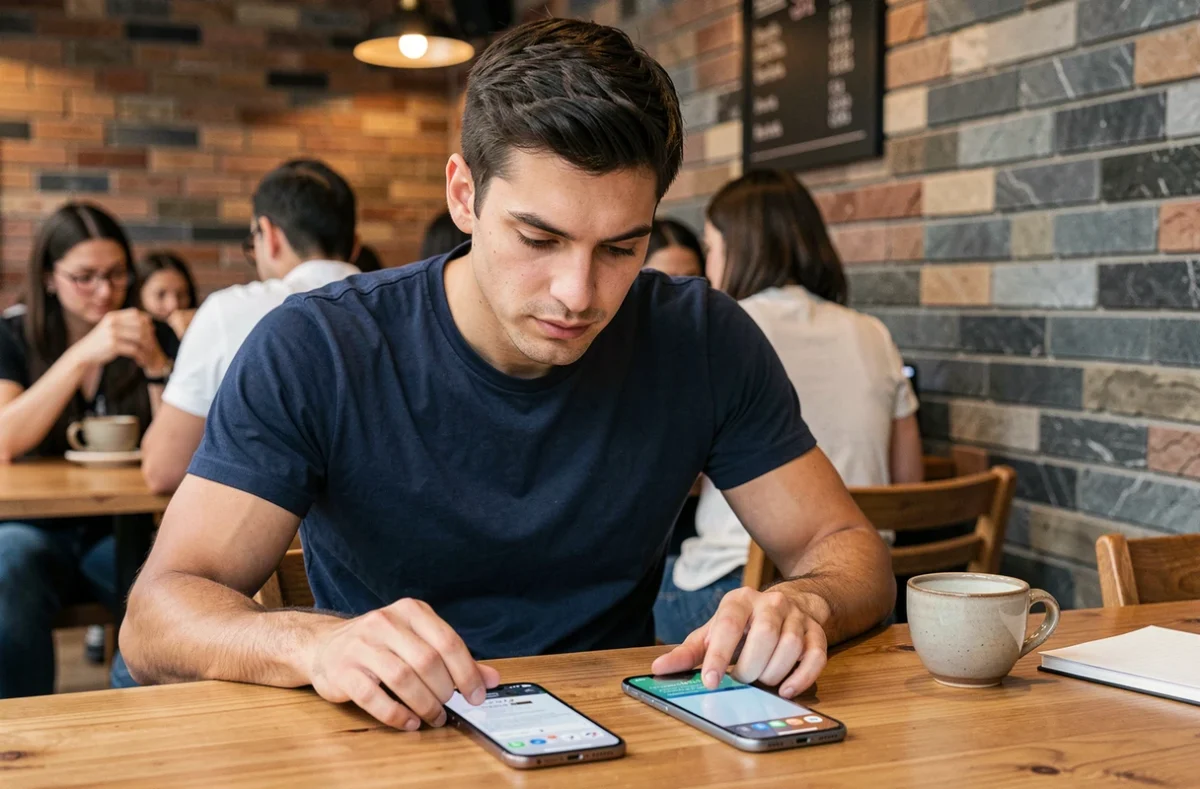
Have you ever noticed that two sites can give very different ratings to the same phone? This is due to testing protocols. A lab that measures screen brightness under controlled conditions and a journalist who evaluates “by eye” do not produce the same result. The most reliable comparison on Smartphone Test details its methods, allowing you to understand where each score comes from.
Here are the criteria that deserve special attention when reading a test:
- Photo quality in real conditions: photos taken in bright sunlight flatter all sensors. It’s the night shots, indoors, or backlit images that reveal the real differences between a Samsung Galaxy, an iPhone, or a Google Pixel.
- Battery life measured in mixed usage: a test limited to looping video playback does not reflect a real day filled with calls, web browsing, and notifications.
- Software support duration: the European eco-design regulation now requires manufacturers to provide system updates for at least five years. An Android smartphone that stops receiving patches after two years loses security and resale value.
- Screen comfort: the refresh rate (often 120 Hz on high-end models) is especially noticeable when scrolling through pages. Beyond the technical specifications, it’s the color calibration and outdoor readability that make a difference in daily use.
Photo smartphones, battery life, or price: three concrete buying profiles
Rather than listing ten models, let’s focus on three common use cases. Each profile highlights the real compromises you will make.
Priority to photography
The models that dominate photo tests in 2024 are the Samsung Galaxy S24 Ultra, the iPhone 16 Pro Max, and the Google Pixel 9 Pro. Their main sensors are comparable on paper. The difference lies in the software processing.
Samsung boosts saturation and sharpness, resulting in striking photos for social media. Apple favors a more true-to-life color rendering. Google Pixel excels in low light thanks to particularly aggressive algorithmic processing. If night photography is your priority, this is a reliable distinguishing criterion.
Priority to battery life
The 2024 rankings often place the OnePlus 12R and the Realme GT7 Pro among the best in endurance. These models feature large-capacity batteries paired with energy-efficient processors. For a user who travels or does not have access to a power outlet during the day, these devices are among the most enduring on the market.
Priority to value for money
Below 450 euros, several models cover different segments, from versatile mid-range to entry-level smartphones with acknowledged compromises on photography. The most reliable distinguishing criterion remains the duration of software support guaranteed by the manufacturer.
Check actual durability before buying a smartphone
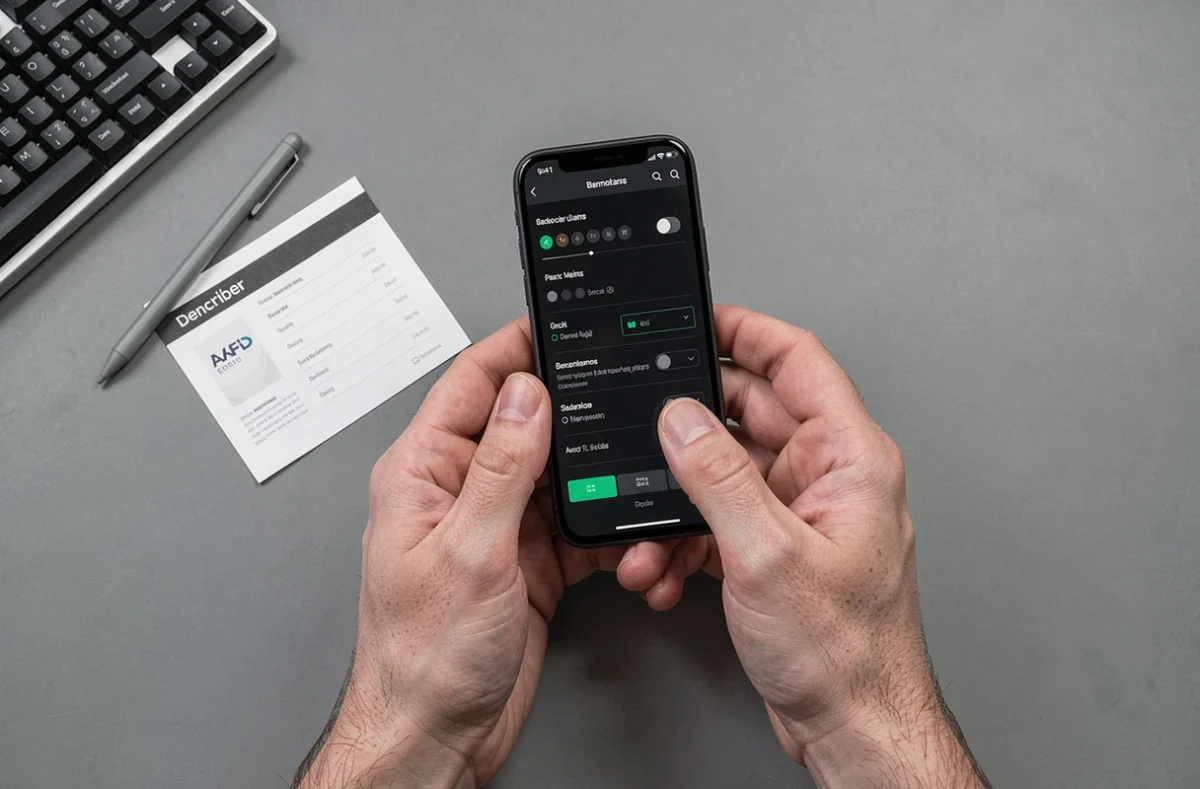
A lab test measures a brand-new state. However, a smartphone is also judged by what it becomes after two years of use. A few concrete checks can help you avoid an unpleasant surprise.
Start with the repairability index displayed on the product. Then consult the European EPREL registry, which centralizes energy labeling data. If the manufacturer does not publish accessible repair documentation, it’s a warning sign, regardless of the official score.
Also check the update policy. Apple guarantees long software support on its iPhones, often beyond the regulatory minimum. On the Android side, Samsung and Google have aligned on similar commitments, but not all Android manufacturers follow the same schedule. A Xiaomi or Honor model may offer excellent value for money at purchase while leaving uncertainty about the regularity of security patches after the third year.
The durability of a smartphone is not listed on any standard technical sheet. Yet it is the criterion that determines the actual cost of your purchase, relative to the number of years of use. A more expensive model at purchase but usable for five years ultimately costs less than a cheap device replaced after two years.