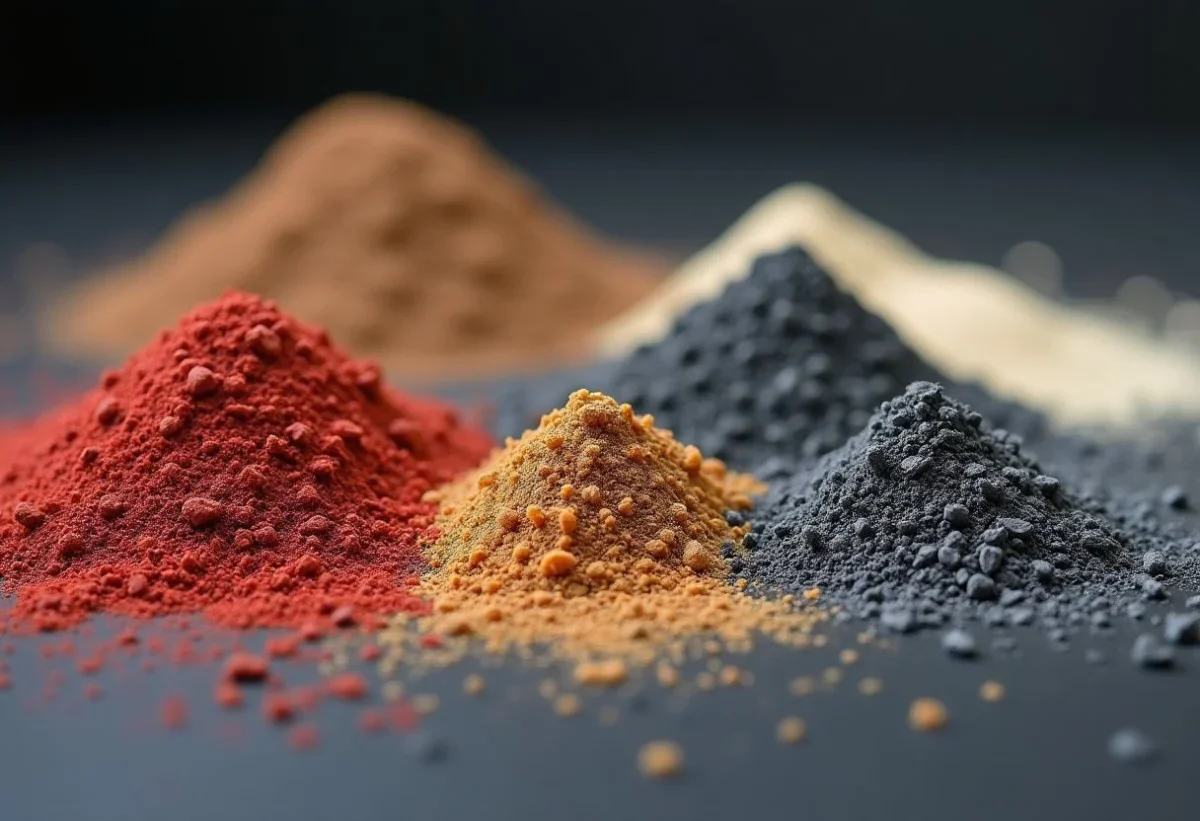
Understanding the concept of abrasive requires a dive into the very heart of materials and industrial processes. The use of abrasives extends far beyond mechanical workshops, penetrating into diverse disciplines such as medicine, art, and the food industry. In each application, they offer a unique solution for transforming, smoothing, or polishing surfaces to achieve the desired finish. Their role, often underestimated, is fundamental in our daily lives, from household cleaning products to medical equipment, not to mention their importance in artistic creation.
The composition of abrasives
Abrasives are characterized by their ability to wear down other materials through friction. Composed of hard particles, they are selected for their hardness, resistance, and ability to maintain these properties under pressure. Natural and synthetic abrasives share the market, each having specific properties that determine their best applications.
- Natural: among natural abrasives, garnet, corundum, and diamond can be found, the latter being the hardest known element. These materials are found in their raw state in nature, often extracted from quarries or mineral deposits.
- Synthetic: silicon carbide and aluminum oxide are notable examples of synthetic abrasives. Created in laboratories, these materials offer a consistency and purity that are difficult to achieve with their natural counterparts, allowing for specific and often more effective applications.
Different types of abrasives
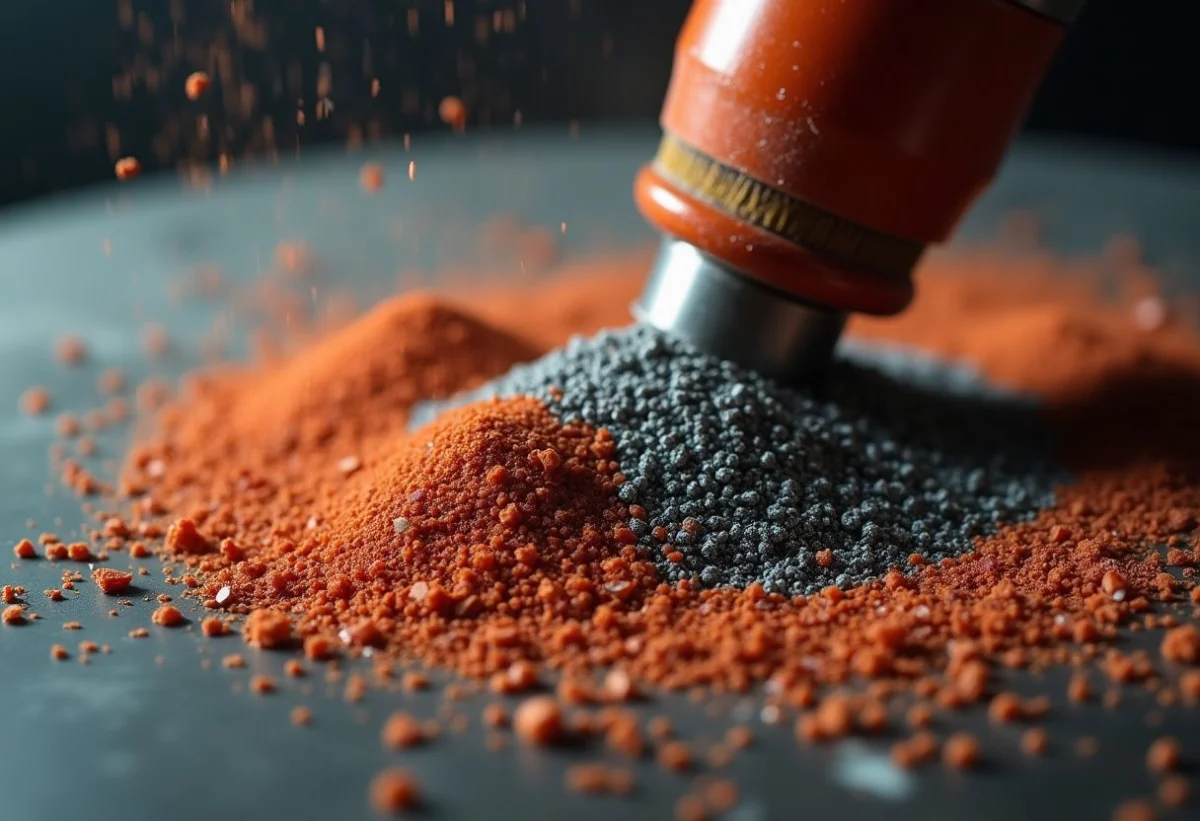
Knowing which abrasive to use depends on many factors, including the nature of the material to be worked on and the desired finish. They are available in different forms: loose grains, sandpapers, or abrasive wheels. Each form has its own utility, suited to specific tasks.
- Loose grains: primarily used in sandblasting, these particles are projected at high speed to clean or etch surfaces.
- Abrasive papers and fabrics: these materials are used manually or with machines to sand surfaces made of wood, metal, or plastic.
- Abrasive wheels and discs: installed on industrial machines, they are used to grind, polish, or deburr metal or stone parts.
Applications of abrasives
Abrasives, whether natural or synthetic, come in many varieties suited to specific uses. Corundum, widely used, is employed for sanding wood and metals. Silicon carbide, harder and sharper, is suitable for working with stone, glass, or composite materials. Diamond, on the other hand, is the most effective abrasive for cutting and polishing extremely hard surfaces such as ceramics or special alloys. In industry, these materials are used for stripping and deburring as well as for high-precision finishing, while in the automotive and aerospace sectors, they ensure the shine and durability of treated surfaces.
In the automotive industry, abrasives play a crucial role in finishing car bodies, ensuring a smooth surface ready to receive paint. In the construction sector, they are used to polish marble or deburr metal. Even in the healthcare field, some medical devices require abrasive polishing to ensure safe use. Finally, artists often exploit the properties of abrasives to sculpt or texture materials like wood or stone, adding a special dimension to their creations.