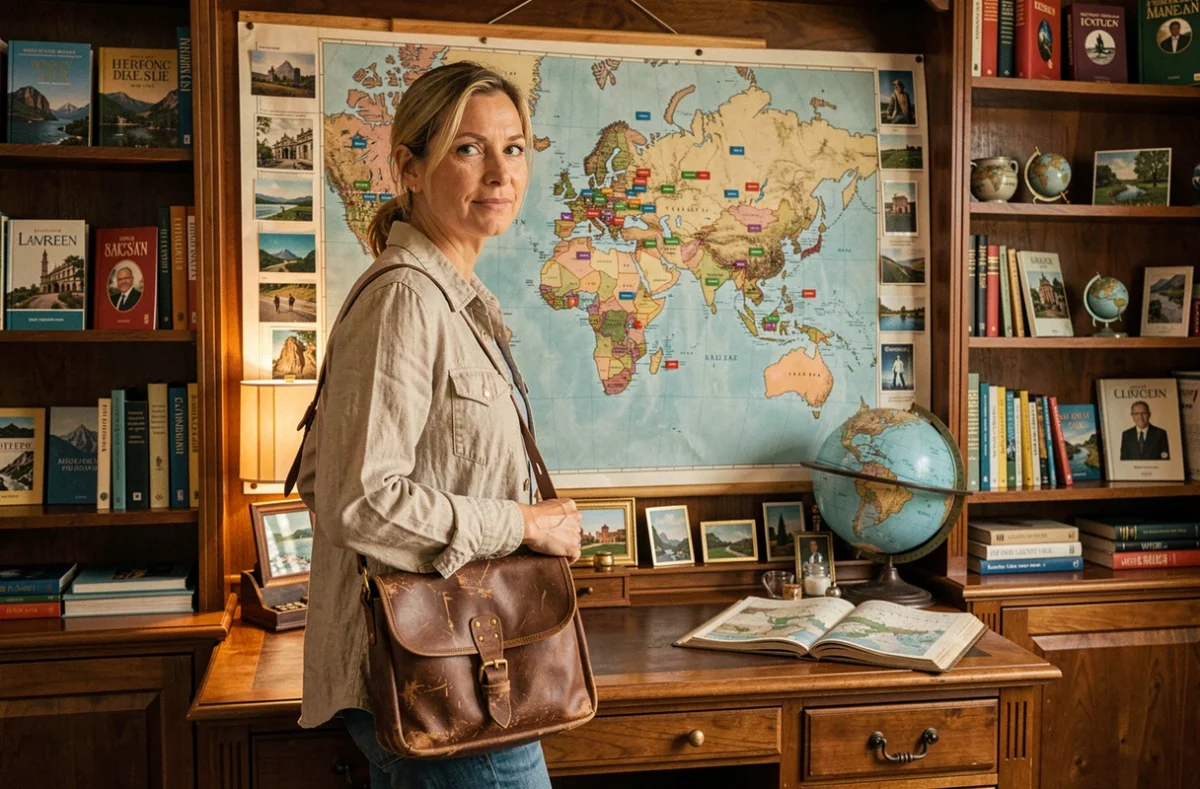
What criteria distinguish a truly remarkable travel destination from a mere name on a list? For this ranking, each location was evaluated according to three axes: the diversity of accessible landscapes, the documented cultural or natural interest, and the practical access conditions in 2026, particularly since the implementation of the EES system at Schengen borders on April 10, 2026, which replaces stamps with a digital entry registration.
1. Réunion, a laboratory of microclimates in the Indian Ocean
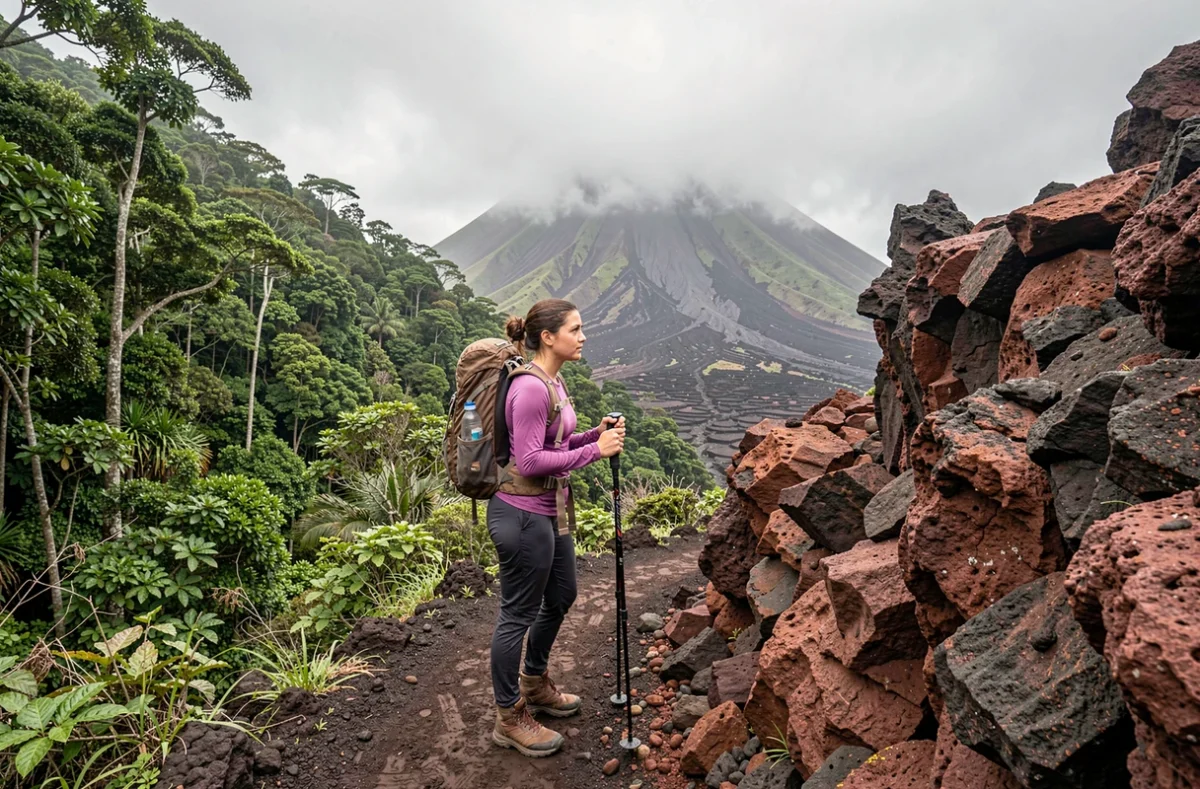
Réunion concentrates a variety of terrains on a small surface that few islands in the world can claim. UNESCO-listed mountains, steep cirques, an active volcano, and primary forests coexist just a few kilometers apart.
For travelers wishing to explore the site quelvoyage.fr before booking, this French island in the Indian Ocean offers a logistical advantage: no visa requirements for European nationals, and direct flights from the mainland.
Hiking remains the dominant activity, with marked trails crossing areas with radically different microclimates within just a few hours of walking.
2. Peru, from the Andes to the Pacific
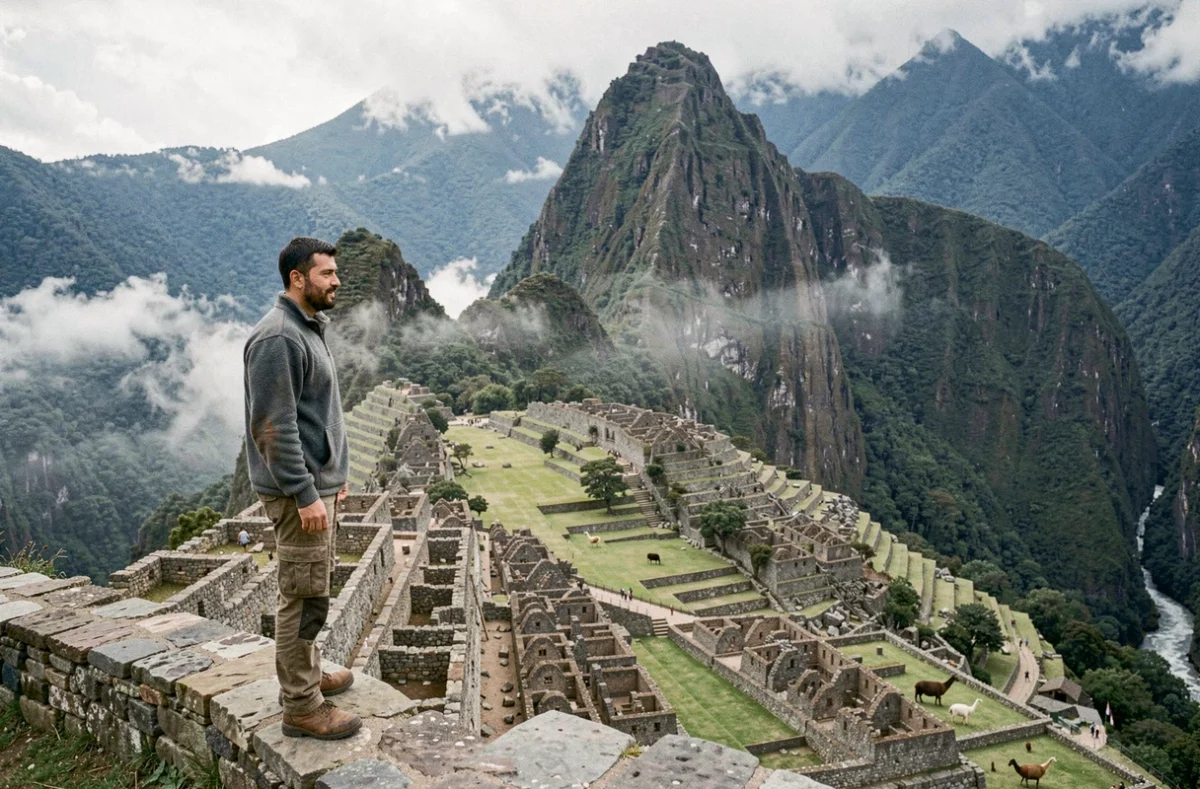
Peru combines a dense archaeological heritage with ecosystems ranging from coastal desert to Amazon rainforest. Inca sites remain a major attraction, but local cuisine has gained international recognition in recent years.
The country offers good value for extended stays, with a cost of living significantly lower than that of European destinations. Altitude and acclimatization dictate the itinerary: plan for several days in Cusco before any high-altitude trek.
3. Botswana, a crowd-free safari

Botswana has chosen low-volume, high-value tourism. The Okavango Delta, a UNESCO World Heritage ecosystem, is explored by mokoro (traditional canoe) with a visitor density much lower than in Kenyan or Tanzanian parks.
This positioning results in higher accommodation rates, but also in remarkable wildlife preservation. Families with children should check the minimum age requirements imposed by certain lodges.
4. Ecuador, a microcosm of Latin America
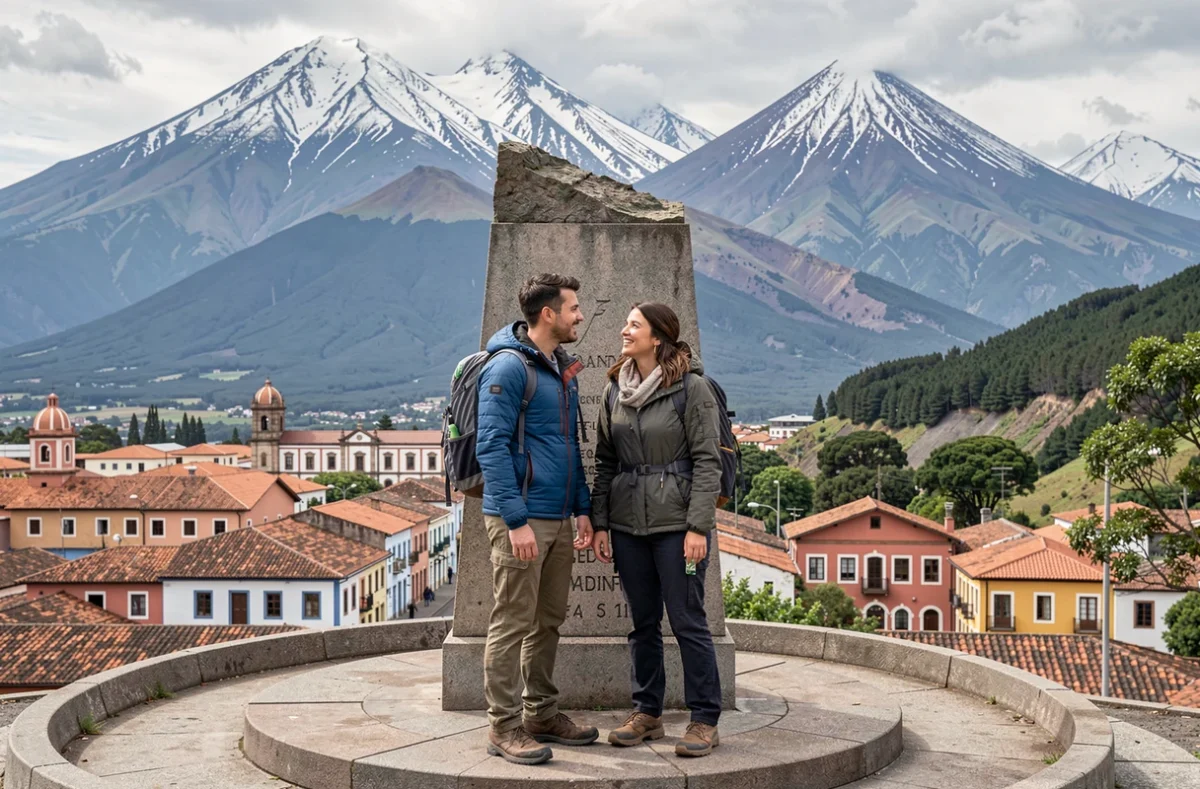
On a compact territory, Ecuador aligns Andean volcanoes, Amazon rainforest, Pacific coast, and the Galápagos Islands. This geographical concentration allows for varied landscapes without multiplying internal flights.
The Galápagos impose strict access rules to limit tourist impact. The country is particularly suitable for family travel due to the short distances between areas of interest.
5. Canada, national parks and vast spaces
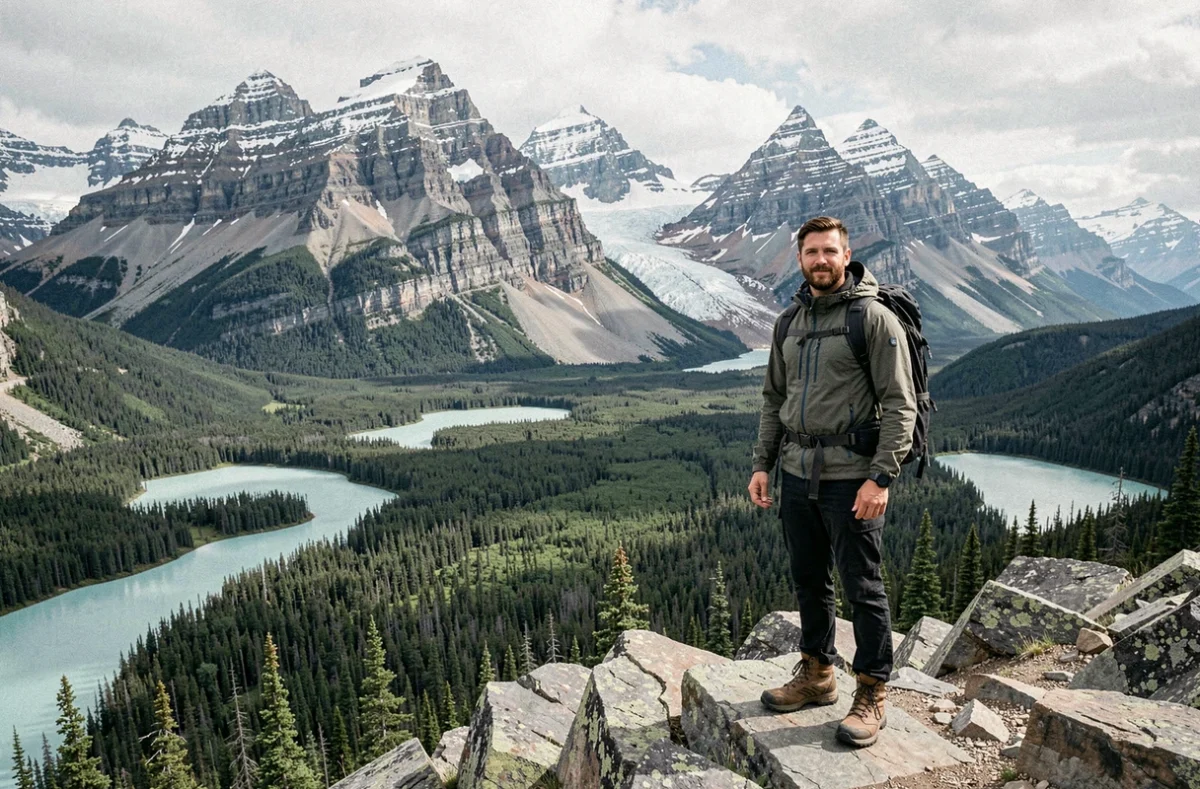
The Canadian Rockies, Quebec, and British Columbia cover a range of landscapes that alone justify several trips. National parks like Yoho or Jacques-Cartier offer well-maintained hiking infrastructure.
Canada remains a destination where the transport budget weighs heavily: internal distances are considerable, and domestic flights or vehicle rentals represent a significant part of the total cost.
6. Norway, fjords and Arctic light
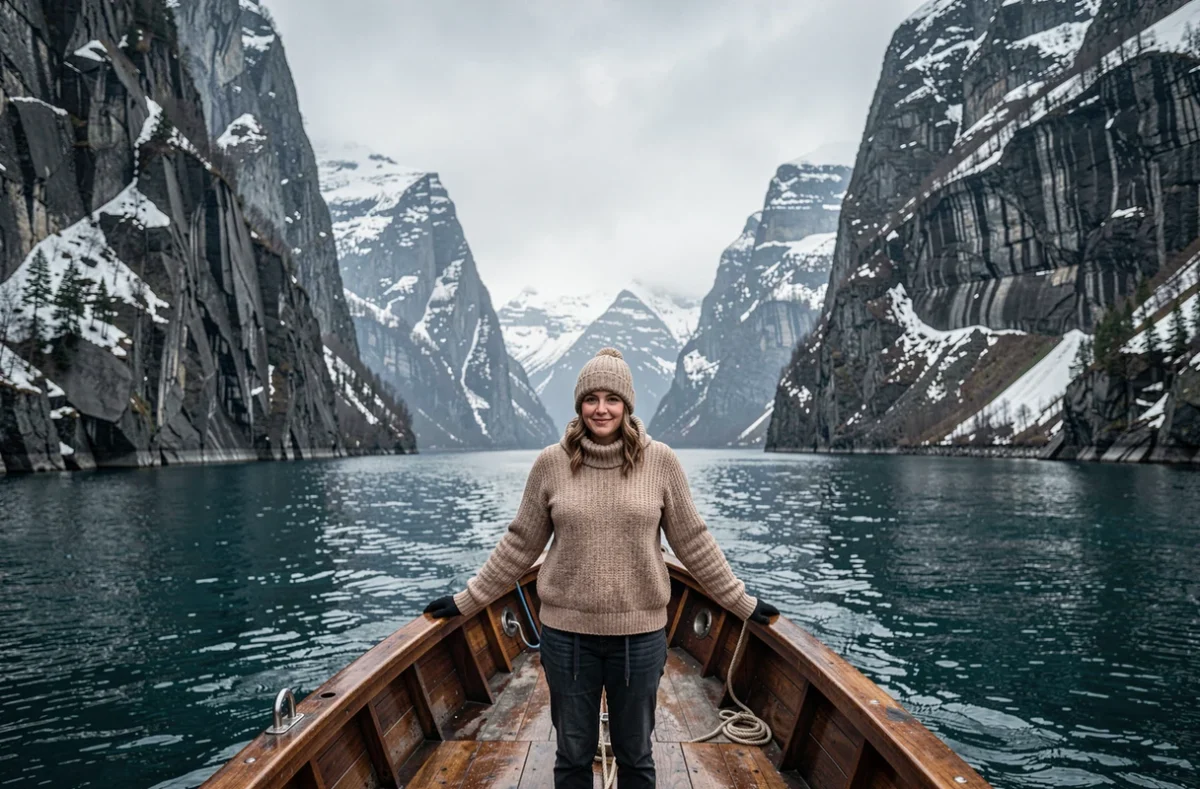
The Norwegian fjords are among the most photographed natural landscapes in Europe. In summer, the midnight sun allows for nearly unlimited hiking days. In winter, the northern lights attract a different audience.
Norway is part of the Schengen area: since April 2026, non-EU travelers pass through the EES system upon entry, without a stamp on their passport. The cost of living there remains among the highest on the continent.
7. Jeju-Do Island in South Korea
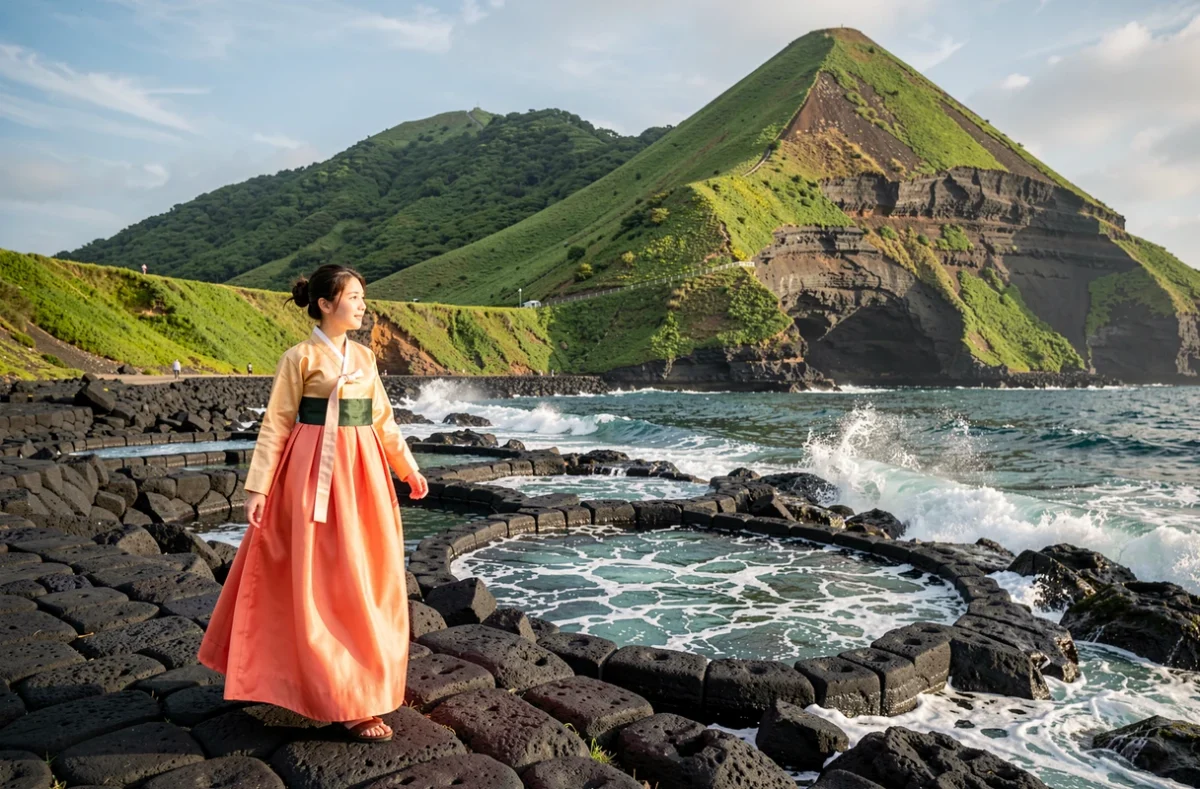
Jeju-Do is a volcanic island designated as a biosphere reserve by UNESCO. Its lava tubes, coastal cliffs, and network of trails (Jeju Olle Trail) make it an atypical nature destination in East Asia.
Jeju is visa-free for many nationalities, which simplifies access for a short stay combined with Seoul. The island remains relatively unknown to the Francophone public, which limits tourist saturation.
8. Antigua in Guatemala, volcano and coffee

The colonial city of Antigua, listed as a UNESCO World Heritage site, serves as a base for hikes to the Acatenango volcano. The route passes through coffee plantations and cloud forests before offering a direct view of the eruptions of the Volcán de Fuego.
Several local tour operators offer one- or two-day excursions. Guatemala remains a destination with moderate accommodation costs, with a culinary scene on the rise.
9. Raja Ampat in Indonesia, marine biodiversity
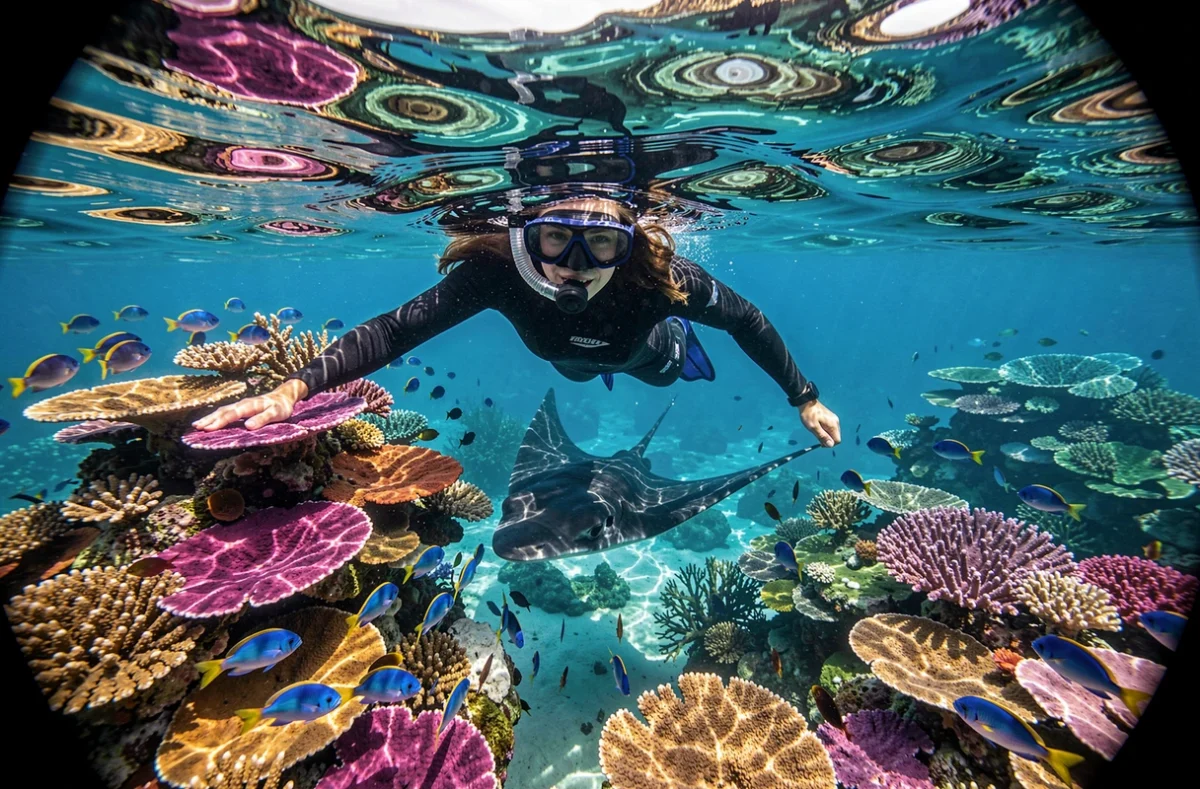
Raja Ampat is home to one of the largest concentrations of marine biodiversity in the world. This isolated archipelago in West Papua attracts divers and snorkelers for its preserved coral reefs.
- Access requires several flight connections from Jakarta or Bali, which naturally filters the volume of visitors.
- An environmental entry permit is mandatory, and the funds collected directly finance reef conservation.
- Accommodations range from local homestays to specialized dive lodges, with considerable price differences.
10. Tunisia, proximity and Mediterranean heritage
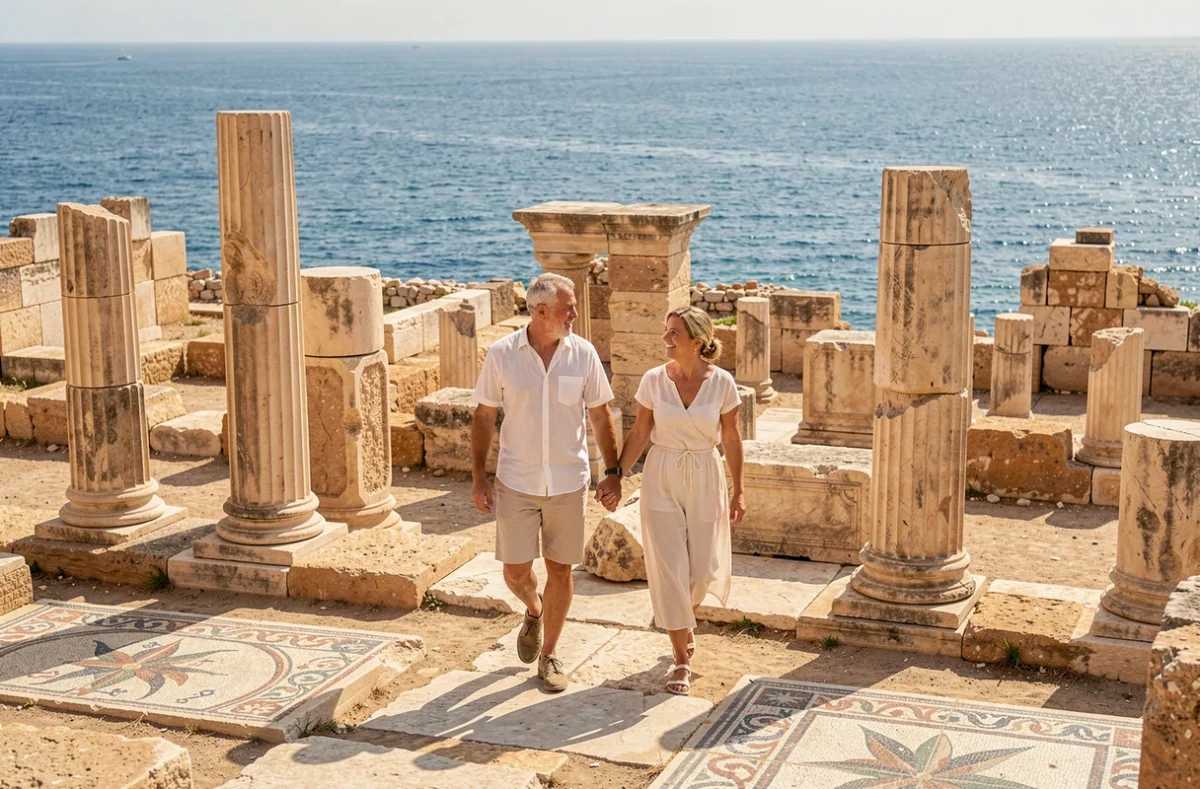
Just a few hours flight from France, Tunisia combines archaeological sites (Carthage, Dougga), the UNESCO-listed medina of Tunis, and Mediterranean beaches. The country has largely reopened its tourist infrastructure in recent years.
The value for money remains one of the best in the Mediterranean basin for a beach or cultural stay. Low-cost flights from several French cities make the destination accessible even for a short one-week stay.
Each destination in this selection caters to a distinct travel profile, from volcanic trekking to safari, from compact islands to continent-sized countries. The EES system operational since April 2026 significantly changes the border crossing for non-European travelers, a factor to consider from the planning stage.