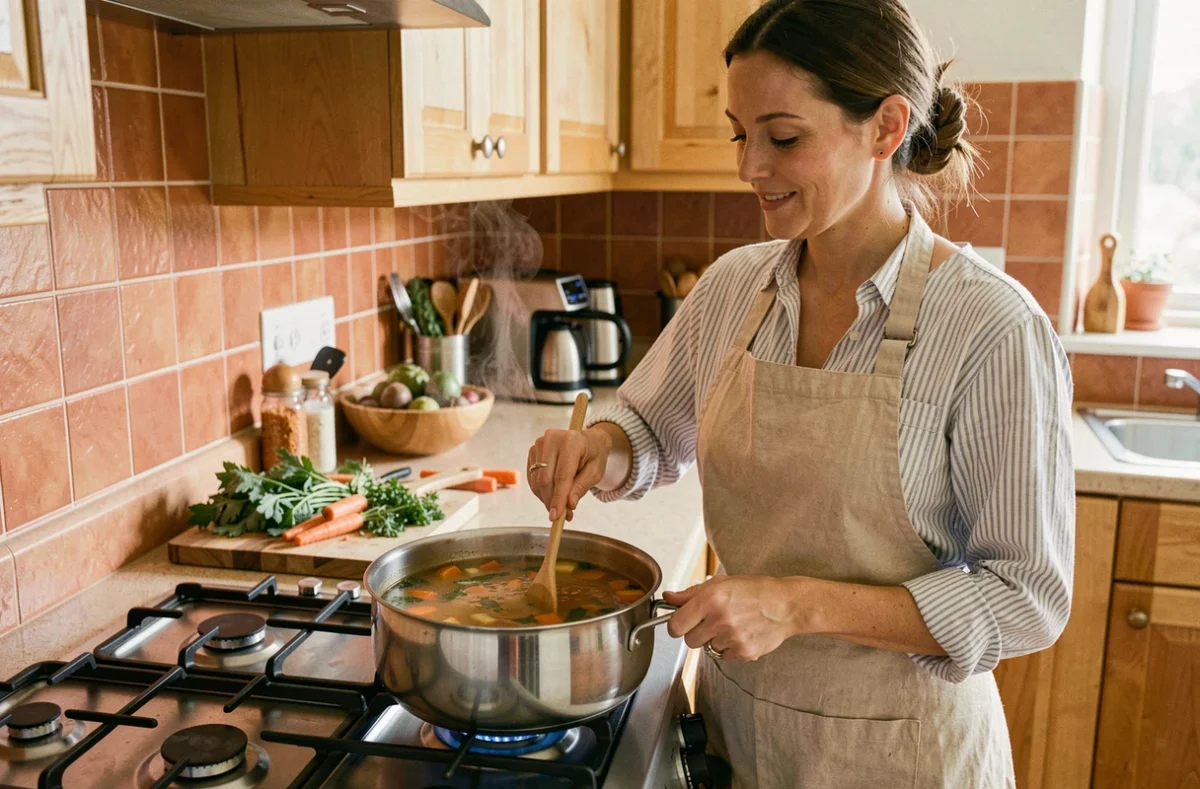
Preparing a meal that pleases everyone at the table every night of the week often feels like a puzzle. Between differing tastes, limited time, and a half-empty refrigerator, daily cooking can quickly become a chore. However, some concrete methods can transform these constraints into opportunities for delicious and realistic meals without spending two hours in the kitchen.
Hybrid Meals: Combining a Prepared Base with Homemade Sides
You may have noticed that prepared dishes are no longer just a solo backup? They are increasingly integrated into planned family meals. The idea is not to buy everything ready-made, but to create a meal by combining prepared and homemade elements.
Let’s take a simple example. You buy a frozen vegetable gratin. Instead of serving it alone, you prepare a dressed green salad with a homemade vinaigrette and add a few slices of aged cheese. The meal is complete, varied, and the active cooking time was only ten minutes.
This principle works the other way around as well: a quick homemade base (cooked pasta, plain rice) accompanied by a quality sauce or prepared dish. To find ideas for family recipes that play on this type of combination, a useful resource is: https://mimilacocotte.fr/, which offers recipes suited for everyday life.
The hybrid approach eliminates the guilt associated with “not homemade enough.” A successful family meal doesn’t need to be entirely cooked from scratch. What matters is the balance of the dish and the shared pleasure at the table.
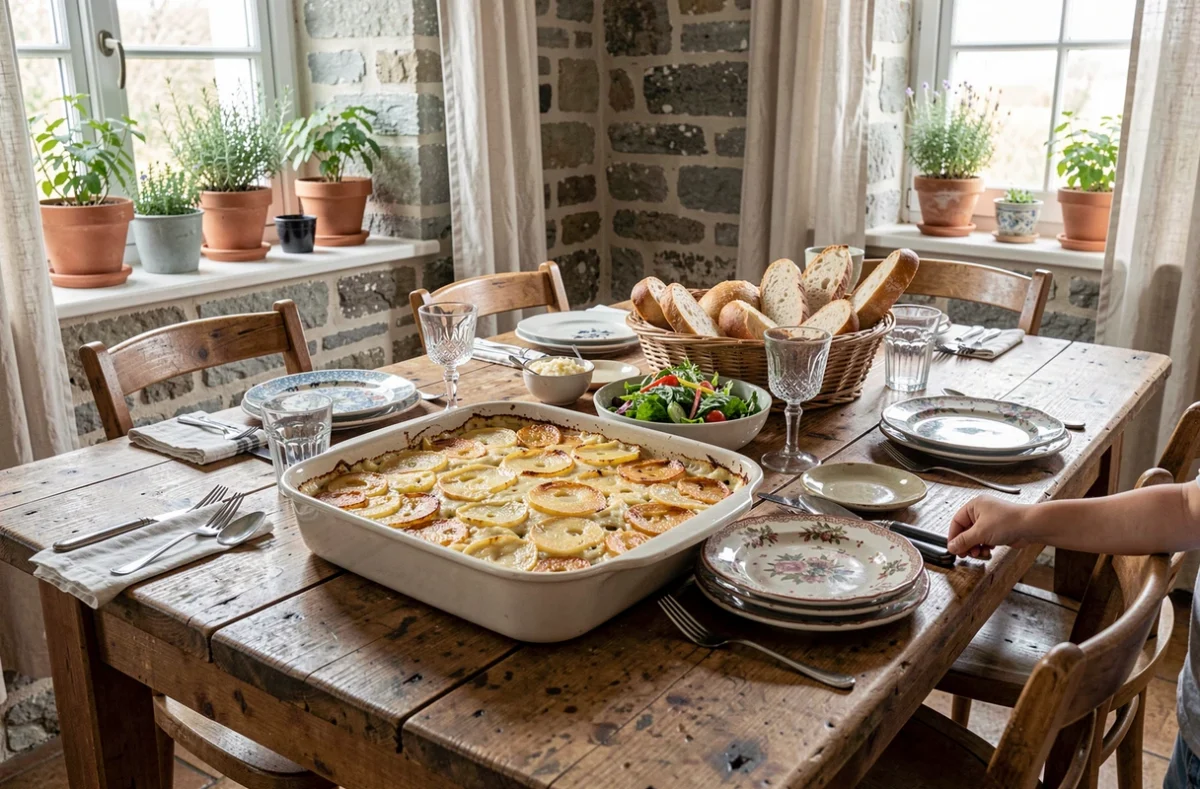
Prepared Vegetables and Cooked Legumes: Saving Time Without Sacrificing Quality
Peeling, chopping, blanching: these steps often account for half the time spent in the kitchen. Ready-to-use vegetables change the game. Washed and cut vegetables, jarred cooked lentils, canned chickpeas: these products significantly shorten preparation time.
Why choose this over whole fresh vegetables? Not out of laziness, but out of realism. On a weeknight, with hungry kids and a tired parent, prepared vegetables allow you to cook a real dish in under twenty minutes.
Three Quick Combinations to Try
- Drained canned chickpeas mixed with halved cherry tomatoes, crumbled feta cheese, and a drizzle of olive oil: a complete salad ready in five minutes, often enjoyed by children thanks to the cheese
- Sautéed frozen vegetables (peppers, zucchini, onions) cooked in a pan with beaten eggs and grated cheese: a crustless quiche, baked in fifteen minutes
- Jarred cooked lentils warmed with grated carrots, a bit of cumin, and sliced sausage: a complete, nourishing dish with less than fifteen minutes of active preparation
These combinations require no special techniques. They rely on one principle: start with a pre-prepared ingredient and add two or three fresh elements to achieve a tasty and balanced result.
Reducing Food Waste Daily: Measurable Actions
Anti-waste recipes circulate abundantly online, but they address the issue downstream. Recent recommendations for households emphasize a different point: measure what you throw away before trying to cook leftovers.
Specifically, it starts with two simple habits. The first: do a quick inventory of the refrigerator and cupboards before writing the shopping list. Not a comprehensive inventory, just a two-minute glance to spot what needs to be consumed first.
The “Eat First” Zone in the Refrigerator
The second habit is to reserve a visible space in the refrigerator, at eye level, for foods nearing their expiration date. An opened yogurt, leftover roast chicken, half a bell pepper: everything that risks ending up in the trash is grouped in one spot.
This system works because it makes waste tangible. When you see every day what needs to be used, you naturally adjust the evening menu. The leftover chicken becomes the base for a composed salad. The half bell pepper joins an omelet or a quick gratin.
Planning meals for the week around what you already have reduces unnecessary purchases and food waste. It’s not an additional constraint; it’s a simplification: fewer choices to make at the supermarket, less mental load when deciding what to cook.

Seasonal Recipes in Autumn: Making the Most of Available Products
Cooking seasonally is not an abstract ecological stance. It’s primarily a matter of taste and price. Autumn vegetables (squash, leeks, potatoes, mushrooms, cabbage) are cheaper when in season, and their flavor is much better.
A butternut squash gratin, for example, requires only four ingredients: cubed squash, cream, grated cheese, and a pinch of nutmeg. Baked for about thirty minutes, it delights the whole family without needing supervision.
Apples in Quick Desserts
On the sweet side, apples offer a wide playground. Homemade applesauce in ten minutes in the microwave, crumble with a flour-butter-sugar mixture crumbled over apple wedges, or simply baked apples with a bit of cinnamon and honey.
A homemade dessert with seasonal fruits costs a fraction of the price of an industrial dessert, and children often enjoy a dish they have seen come out of the oven much more.
Everyday family cooking doesn’t rely on spectacular recipes. It hinges on a few simple mechanisms: combining prepared and homemade without hesitation, using ready products to speed up preparation, organizing the refrigerator to avoid waste, and relying on seasonal products for both taste and budget. Once these habits are established, they transform the chore into a smooth routine.