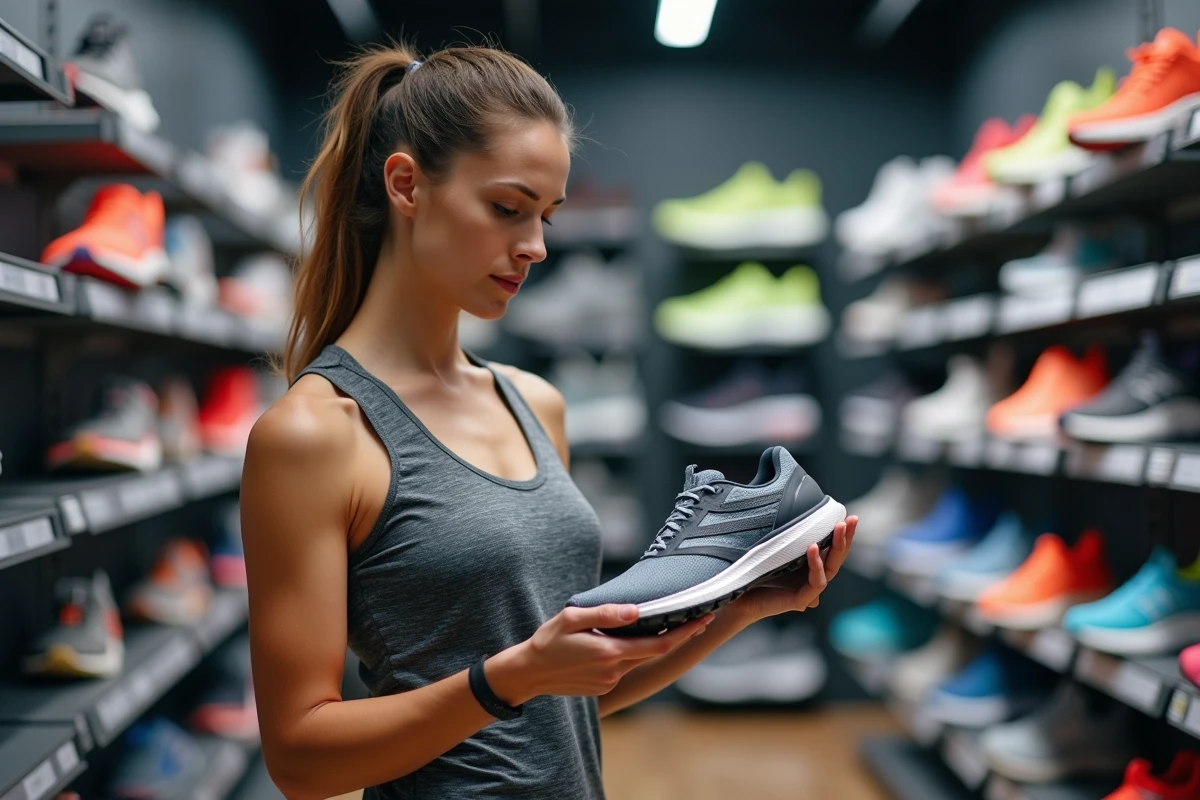
The sports equipment market is undergoing rapid changes. New European regulations on textiles, the rise of recycled materials, and the growth of connected technologies: the criteria for choosing sports equipment are no longer limited to price or brand. The climate context adds a layer of complexity, with increasingly unpredictable weather conditions within the same season.
Strengthened REACH certification and sports textiles: what the March 2025 directive changes
Since March 2025, an amended European directive imposes strengthened REACH certifications for sports textiles. The goal is to limit the presence of harmful chemicals in technical clothing, from compression shirts to running leggings.
In practical terms, brands must now prove the compliance of each batch of fabric before it enters the European market. For consumers, this means that products sold online from non-EU platforms are not always subject to the same controls. Checking for the REACH compliance label on the tag or product sheet becomes a useful reflex, especially for clothing worn directly against the skin during exertion.
This regulatory evolution also has an indirect effect on the ranges offered. Some manufacturers have removed references whose compliance would have been too costly, reducing the entry-level choices. On the other hand, textiles already designed from certified recycled materials often pass these controls without reformulation, which accelerates their availability on shelves.
To browse a selection that incorporates these new requirements, sports equipment on Free Sport allows filtering by discipline and material type.
Sports equipment and micro-climates: adapting gear to weather variability
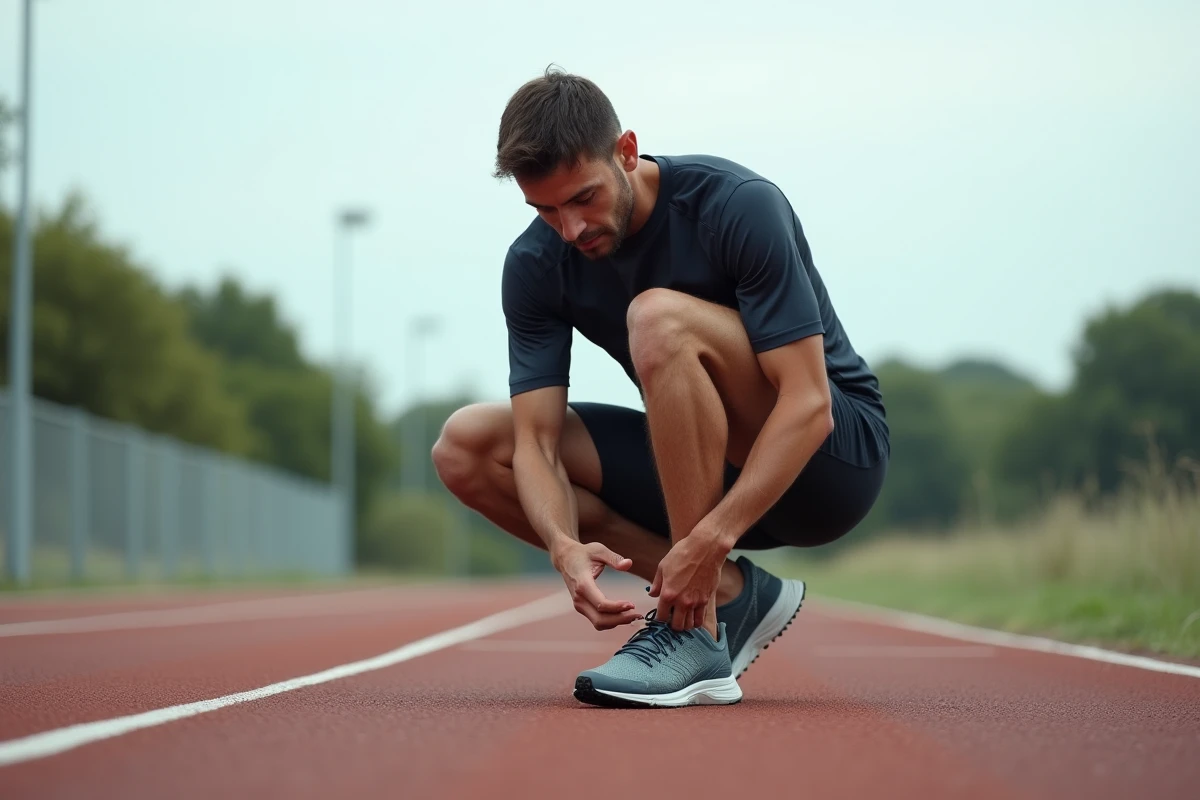
Field reports vary on this point, but a common observation among regular practitioners is that local weather conditions vary more from one session to another than they did a few years ago. A morning trail run in the mountains can start under bright sunshine and turn into cold rain in less than an hour.
Adapting equipment to local micro-climates is not just a gimmick. It involves concrete choices:
- Favor breathable membrane jackets with water repellency, rather than a classic windbreaker that protects against the wind but traps body moisture as exertion intensifies.
- Opt for a modular layering system (thermal base layer, insulating mid-layer, protective outer layer) instead of a single “four-season” garment that will not be optimal in any condition.
- Choose shoes with an outsole that maintains grip on wet ground, a criterion rarely highlighted in product sheets but verifiable in independent tests.
The increased weather variability due to climate change also prompts a rethink of the lifespan of equipment. A textile exposed to rapid warm-cold-wet alternations degrades faster. The durability of the material becomes a performance criterion, not just an ecological argument.
Minimalist shoes vs. cushioned models: where does the debate stand
So-called “zero drop” shoes, where the heel and forefoot are at the same height, have been gaining popularity among trail runners since mid-2025. The main argument: reducing chronic injuries related to heel striking, common with highly cushioned models.
The available data do not allow for a definitive conclusion. Some runners report a decrease in knee pain after transitioning to minimalist shoes. Others develop Achilles tendinopathies, especially when the transition is too rapid.
Criteria for choosing between minimalist and cushioned
The choice depends on three factors: the type of terrain practiced, the weekly running volume, and the injury history. A road runner exceeding fifty kilometers per week takes a risk by abruptly switching to zero drop. Conversely, a trail runner on technical terrain who runs two to three times a week may find a better proprioceptive feel.
Testing over several weeks with a reduced volume remains the only reliable method to assess compatibility with one’s biomechanics. Online reviews reflect too varied morphologies and practices to serve as a personal guide.
Recycled materials and connected equipment: two trends reshaping the offering
According to the “Consumer Insights in Sportswear” study by Nielsen Sports, published in February 2026, purchases of sports equipment made from recycled materials have increased by 40% online since 2024. The initial cost remains higher, but buyers see increased durability that compensates in the long term.
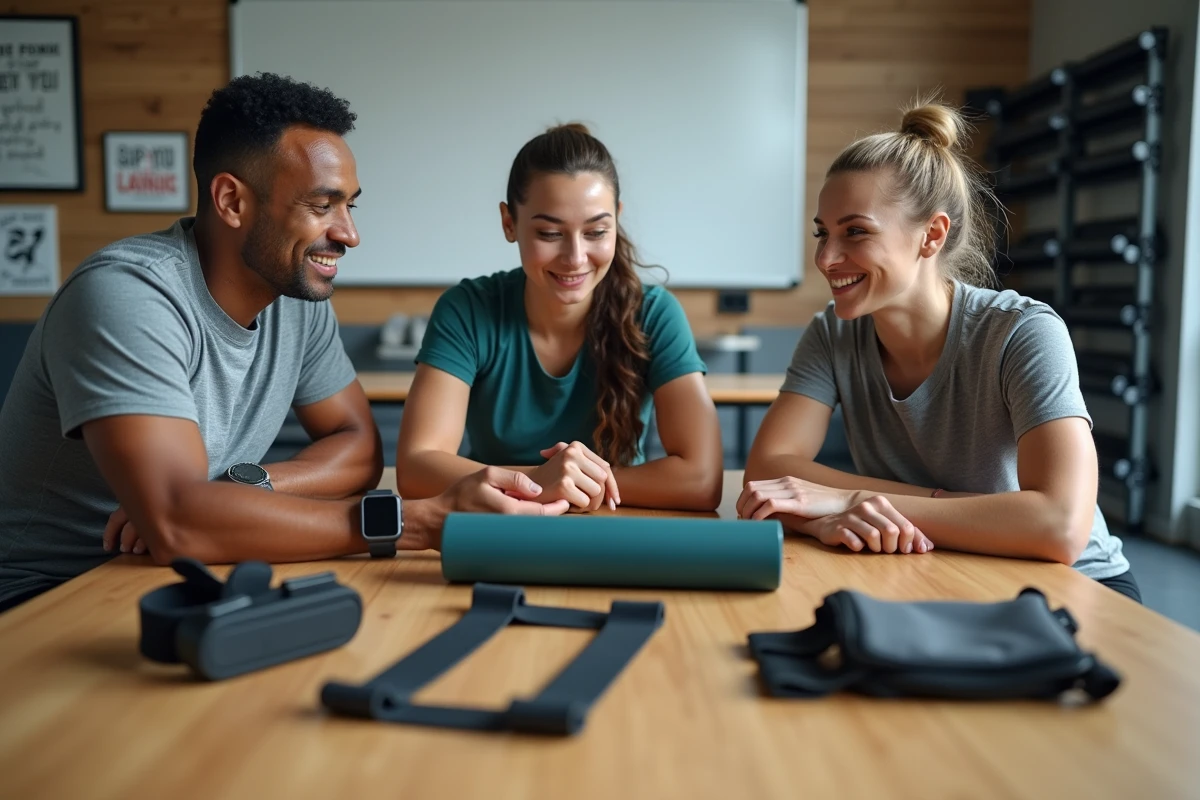
This trend coincides with the rise of connected equipment incorporating artificial intelligence. Deloitte’s “Sports Technology Trends 2025” report documents the rise of smart insoles capable of analyzing gait in real-time and suggesting postural adjustments. These tools do not replace a podiatric assessment, but they provide actionable data to refine the choice of shoes or orthotic insoles.
What technology does not solve
A gait sensor will not correct a shoe that is poorly suited to the foot’s morphology. A certified REACH recycled textile does not guarantee good support during high-intensity exercise. The quality of the fit takes precedence over technological sophistication.
Before investing in connected equipment, ensuring that the basic gear (shoes, clothing, protection) matches the practice and terrain remains the priority. Technology provides additional information, not a substitute for sound biomechanical sense.
The choice of high-performance sports equipment relies on a combination of criteria that price alone does not summarize: regulatory compliance of textiles, adaptation to the actual weather conditions of the practice area, biomechanical compatibility of shoes, and durability of materials under intensive use. Connected tools and recycled materials enrich the offering, but the foundation remains well-fitted equipment tested in real-world conditions of use.