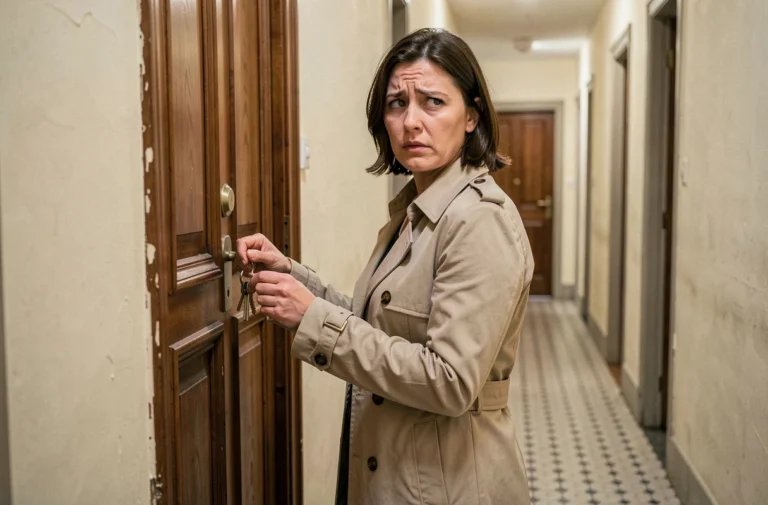
A refusal of adoption at a shelter does not imply a judgment on the adopter. Animal protection associations apply evaluation grids whose logic often escapes candidates, due to a lack of transparency regarding weighted criteria. Understanding the decision-making mechanism allows one to correct a file or to turn to a more suitable adoption channel for their situation.
Life project and risk of return: the criterion that shelters do not formalize
Most adoption candidates focus on material conditions (housing size, presence of a garden, income). Shelters, on the other hand, first evaluate the consistency between the adopter’s life project and the animal’s needs.
Since the wave of post-Covid abandonments, several structures affiliated with the National Confederation for Animal Defense have reported an increase in refusals among candidates who appear correct on paper but are deemed at risk of return in the medium term. Professional mobility, planned expatriation, baby project, housing instability: these are signals that teams identify during the preliminary interview.
When a shelter notes a refusal of adoption by the SPA, the decision rarely rests on a single isolated reason. It is the combination of several risk factors that tips the file towards a negative opinion.
The almost permanent saturation of French shelters reinforces this logic. An animal placed and then returned occupies a spot twice, requires veterinary and behavioral time, and delays the adoption of another resident. Teams prefer to refuse a fragile file rather than manage a return a few months later.
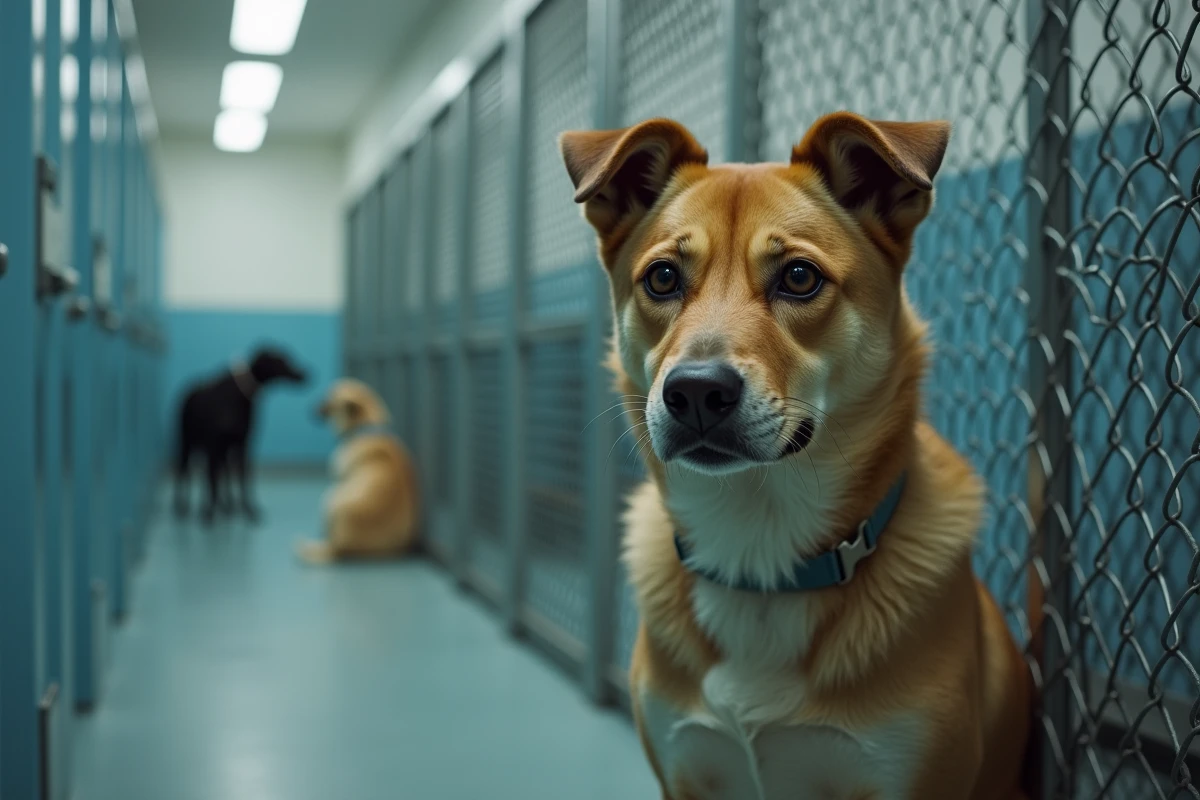
Adoption refused for a dog or cat: the recurring technical reasons
The reasons for refusal vary depending on the species, breed, and behavioral profile of the proposed animal. We observe that certain reasons systematically recur in exchanges between shelters and adopters.
- Incompatibility between the size or activity level of the dog and the declared lifestyle (apartment without long outings for a working dog, for example)
- Presence of young children in the household when the proposed animal has a history of reactivity or fear
- Lack of experience with the species or breed concerned, combined with an animal with a complex profile (fearful cat, dog with deprivation syndrome)
- Advanced age of the adopter compared to the animal’s life expectancy, without an identified backup solution
- Unsecured housing (non-netted balcony for a cat, insufficient fencing for a runaway dog)
The last point deserves attention: a shelter may refuse a cat to an adopter in unsecured housing while accepting another cat from the same adopter if the second is a strictly indoor animal. The refusal pertains to a specific adopter-animal pair, not just the adopter alone.
The specific case of elderly people
The subject remains sensitive. Some shelters refuse the adoption of a young animal to a person over 80 years old without a designated backup person. The SPA forum in Bordeaux documents a case where an 85-year-old woman was denied a 2-year-old cat, as the manager feared it would cause her to fall.
In this case, we recommend spontaneously proposing a written backup contact (family member, neighbor) and considering a senior animal, whose placement is more challenging for the shelter and whose calm profile is a better fit.
Challenging or completing a refused adoption file
There is no formal appeal process against a refusal of adoption at a shelter. Animal protection associations are private entities: they have discretionary power over the choice of the adopter, governed by their adoption contract and internal regulations.
This lack of legal recourse does not mean that the situation is fixed. Several concrete levers exist.
Request a motivated response
The first step is to request in writing the specific reasons for the refusal. Some shelters do not communicate them spontaneously. An email addressed to the adoption manager, phrased without aggression, usually receives a usable response. This feedback helps determine whether the blockage is related to the adopter’s profile or the match with the targeted animal.
Adapt your application
If the refusal concerns a correctable point (fencing, balcony netting, lack of experience), providing proof of compliance can revive the file. If the reason is structural (too small housing, unstable professional situation), it is better to target another animal whose profile fits better.
Turn to another structure
Each association applies its own criteria. A refusal at one shelter does not preclude the response from another. Independent shelters, associative foster families, and rescue networks sometimes have evaluation grids different from those of the national SPA or independent SPAs.
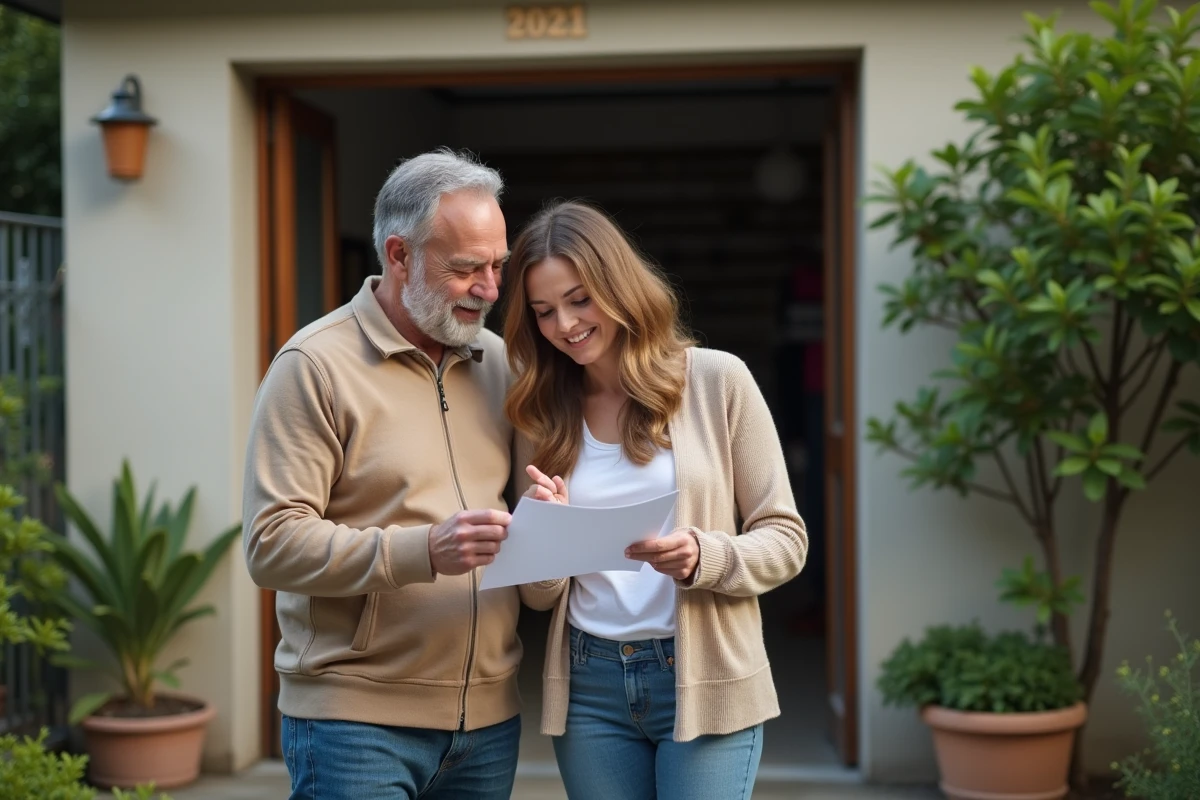
Alternatives to the SPA for adopting an animal
A candidate refused by a shelter has every interest in broadening their search. The landscape of animal adoption in France is not limited to SPA-branded structures.
- Local associations specialized by species or breed (feline associations, greyhound rescue networks, groups dedicated to exotic pets) apply criteria suited to the animal’s profile and sometimes accept files refused elsewhere
- Foster families that publish on platforms like Seconde Chance or PetAlert offer direct contact with the animal’s reference person, allowing for a more in-depth exchange than a standardized interview at a shelter
- Municipal shelters, distinct from SPAs, have their own adoption protocols and may evaluate the same file differently
In all cases, preparing a complete file before the first contact (photos of the housing, owner’s certificate allowing the animal, contact details of the intended veterinarian) improves the credibility of the application.
A refusal of adoption remains a one-time decision, linked to a specific context. Shelters do not maintain a centralized file of refused candidates. Nothing prevents resubmitting a corrected file to the same shelter a few months later, or applying simultaneously to several associations. The goal of the shelter and that of the adopter converge: to find a stable home where the animal will not be returned.